
Need ideas for a new fireplace mantel? This guide has you covered. Discover top mantel ideas, learn how to choose the right one for your space, get installation advice, and find out how to decorate it to make your living room shine.
Key Takeaways
- Fireplace mantels serve as focal points that enhance both the aesthetic and functionality of living spaces, requiring careful selection and installation.
- Choosing the right mantel involves matching it to your home’s style, considering size and material choices to ensure a cohesive look with existing decor.
- Proper installation and maintenance are essential for safety and longevity; this includes secure attachment, regular cleaning, and periodic resealing of wood mantels.
The Importance of Fireplace Mantels
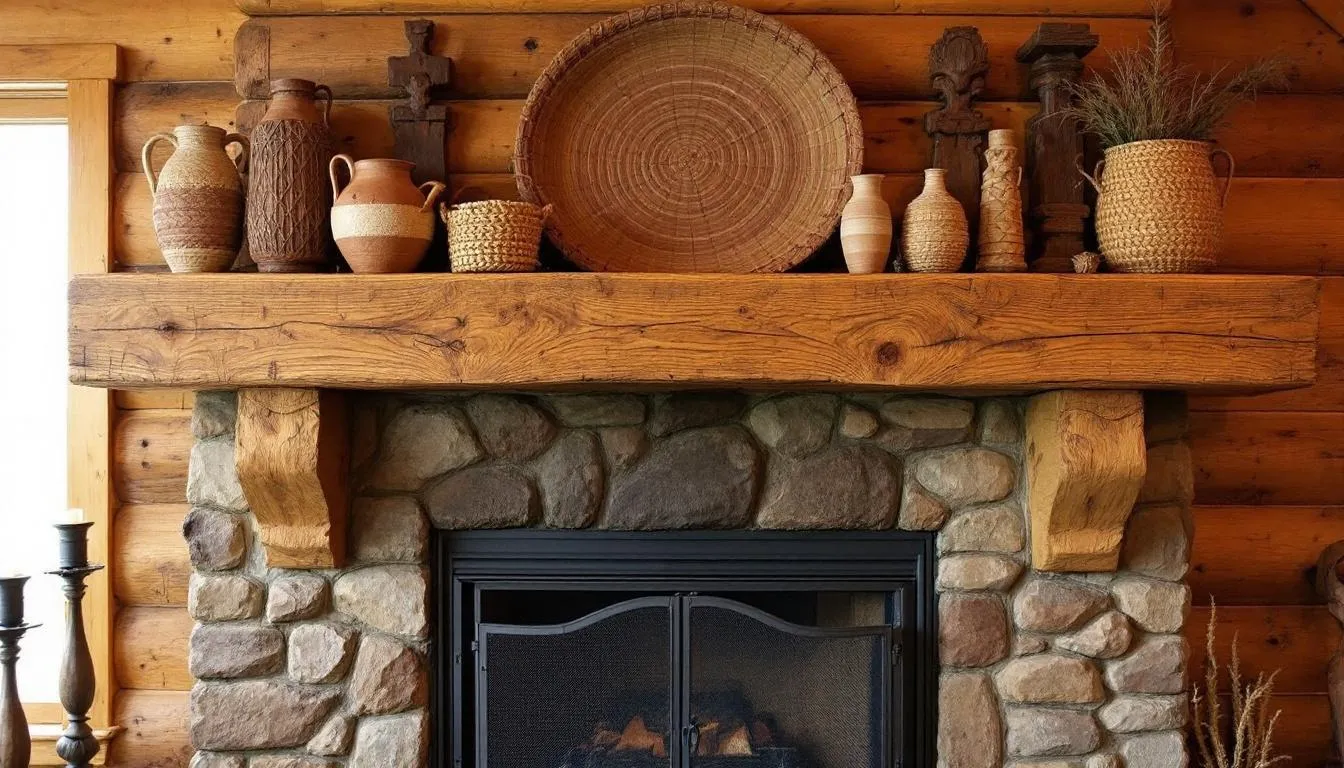
Fireplace mantels transcend mere decoration, serving as the focal point of any room by harmonizing design elements and enhancing the space’s overall aesthetic. The right mantel can uplift both the visual appeal and functionality of your fireplace, turning it into a central design feature.
A well-chosen mantel complements the architectural style of your room and harmonizes with existing furniture and color schemes, creating a cohesive look. Whether you prefer a minimalist design that opens up the space or a maximalist approach that adds character, your mantel selection should reflect the room’s overall decor.
Traditional Fireplace Mantels
Traditional fireplace mantels often exude elegance and timeless charm with their intricate woodwork and classical designs. Common materials for these mantels include:
- Oak
- Cherry
- Mahogany Each material contributes to their classic appearance. The use of ornate corbels and detailed carvings reflects historical architectural styles, adding a touch of sophistication to any living room. A wood mantel can enhance the overall aesthetic of the room.
The inclusion of a mantel shelf allows for the display of decorative items, enhancing both the functionality and style of the mantle. Traditional fireplace mantels often serve as the focal point in a living room, showing attention to the fireplace itself and creating a warm, inviting atmosphere.
Modern Fireplace Mantels
Modern fireplace mantels are characterized by sleek, minimalist designs that enhance the overall decor of contemporary living areas. Floating mantles, in particular, provide a unique design element, adding a visually striking yet understated focal point to modern interiors. Materials like medium-density fiberboard (MDF) and composite materials are popular for these mantels due to their versatility and ease of finishing.
The combination of minimalist design and modern materials creates a stylish and cohesive look for any modern home. This approach not only complements the wood fireplace but also integrates seamlessly with the clean lines and minimalistic decor of contemporary living rooms, designed to enhance the overall aesthetic.
Rustic Fireplace Mantels
These kinds of fireplace mantels are favored for their ability to create a cozy, inviting atmosphere in living areas. Common materials for these mantels include rough-edge timber and weathered wood, which add a natural, organic feel to the room. To enhance the rustic appearance, it’s best to avoid painting over the wood paneling, allowing the natural beauty of the material to shine through. These mantels often combine natural elements and handmade features, providing a unique and warm character to the room. Rustic mantels are perfect for those who love a more organic and earthy aesthetic in their living rooms.
Choosing the Right Fireplace Mantel for Your Home
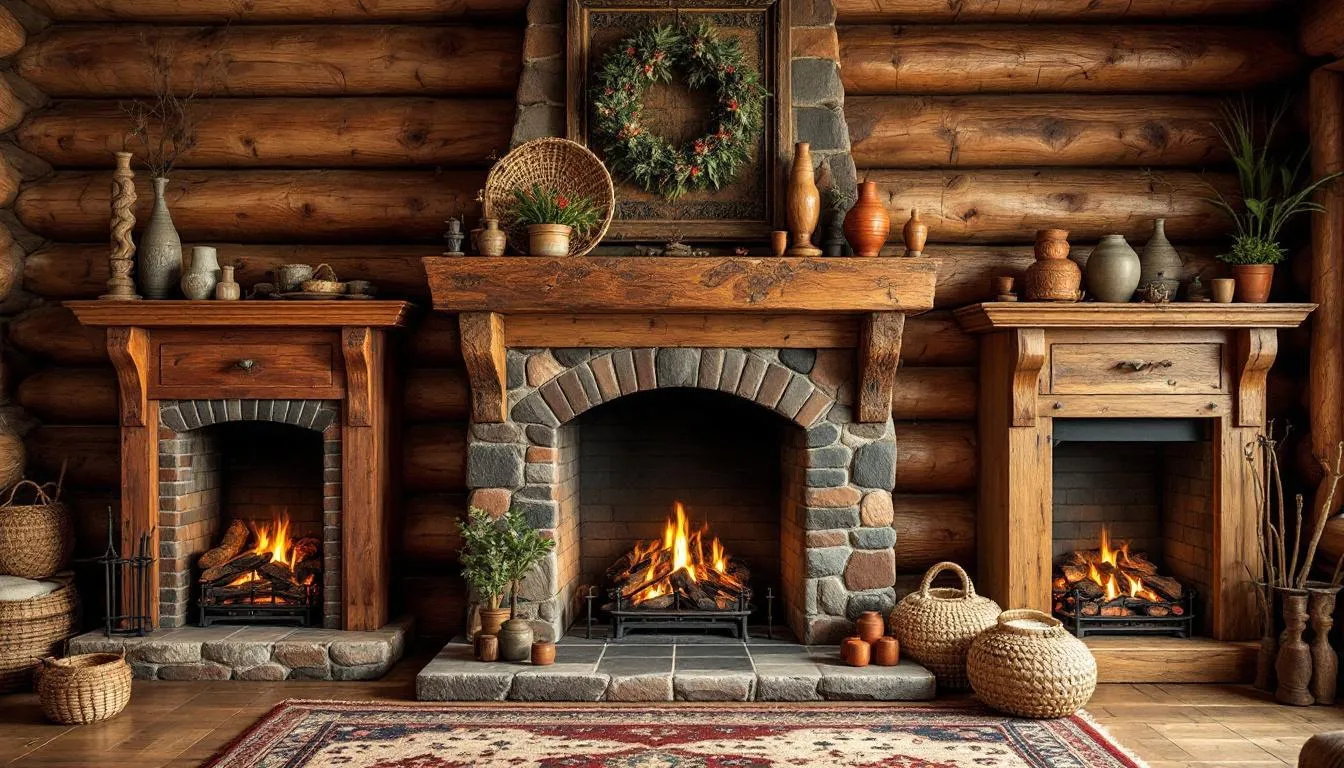
Choosing the right fireplace mantel involves aligning it with your home’s overall aesthetic and personal style. Whether you favor the elegance of traditional mantels, the sleekness of modern designs, or the cozy charm of rustic mantels, your choice should enhance your living space and create a cohesive look. Consider how the mantel will harmonize with your existing decor, furniture, and color schemes. This guide will help you coordinate mantels to your room decor, consider size and proportion, and select the right materials to ensure the mantel complements your home perfectly.
Matching Mantels to Room Decor
This is key to creating a harmonious and visually appealing space. The right paint or stain can significantly improve the mantel’s appearance and help it blend seamlessly with your existing decor. Integrating technology, such as a recessed television, can be done stylishly with decorative frames or built-in shelving. The standard mantel height is about 4-1/2 feet above the hearth, but this can vary based on room size and fireplace type. Choosing a mantel that complements your existing decor enhances the overall aesthetic of the living room.
Size and Proportion Considerations
The size and proportion of your mantel are crucial for ensuring it complements your fireplace and the surrounding wall. Here are some key points to consider:
- The mantel should typically extend 3 to 6 inches wider than the firebox to maintain proportionality.
- Before installation, measure the space carefully.
- Mark the wall for a precise fit around the firebox.
Accurately measuring the mantel’s width and marking the positions for the cleats is critical for a stable and visually appealing installation. Ensuring the mantel’s height is appropriate and level enhances the overall look and balance of the room.
Material Choices
When selecting a material for your mantel, consider factors like durability, maintenance, and aesthetic appeal. Common materials include:
- Wood
- Stone
- Brick Each material offers unique characteristics.
Different types of mantels and their characteristics include:
- Stone mantels
- Brick mantels
- Modern mantels
Installing Your New Fireplace Mantel
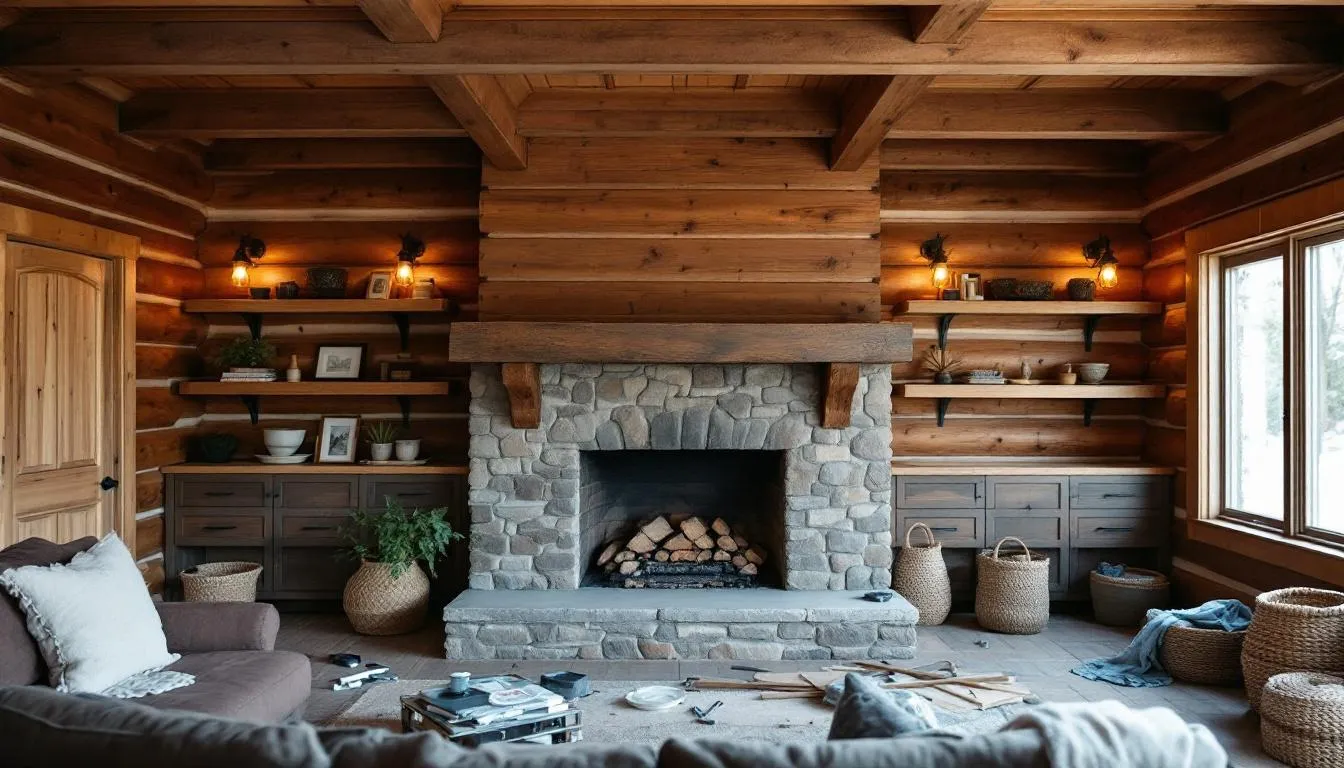
Installing a fireplace mantel requires attention to safety and aesthetics. Key steps include:
- Ensuring the mantel is positioned far enough from the firebox.
- Securely fastening the mantel to the wall.
- Using appropriate hardware and secure attachment methods for stability.
Double-check all measurements and fits at critical points to ensure a stable installation. This guide will walk you through preparing the wall, mounting the mantel, and adding finishing touches for a professional and safe installation.
Accurate measurements are essential not only for aesthetic reasons but also for safety. A poorly fitted mantel can become unstable, posing risks especially if it is placed above a wood burning or gas fireplace where heat and smoke are factors to consider. The mantel must be positioned at a safe distance from the firebox to prevent heat damage or fire hazards. Additionally, consider the mantel’s legs or supports if applicable, ensuring they are sturdy and capable of bearing the mantel’s weight. Planning the installation in advance, including checking for any returns or reviews of the mantel product, can help avoid issues later. Some mantels come with detailed instructions and included hardware, which simplifies the process.
Preparing the Wall
Preparing the wall for mantel installation involves several important steps. Measure the distance between the floor and the mantel’s desired placement using a measuring tape. Use a level to draw a straight line on the wall for proper alignment. Clear the area that surrounds the place fireplace, removing any furniture or obstacles that may hinder the installation process. This preparation ensures a smooth and efficient installation.
Attaching the Mantel
Securing the mantel is essential for stability and safety. Before installation, locate the wall studs using a stud finder. Cleats, pieces of lumber secured to the wall, provide stronger support for the mantel compared to other methods. A mounting cleat securely fastened to wall studs provides a stable base for the mantel. For masonry installations, use masonry anchors and a hammer drill to hang for a strong hold.
Once securely fastened, apply finishing touches to enhance the mantel’s appearance and protect it. A final coat of paint or finish enhances visual appeal and guards against wear. A sealant can protect the mantel from moisture and improve durability. Applying caulk along the wall gap ensures a seamless appearance if the mantel is to be painted. These finishing touches complete the installation and ensure your mantel looks its best.
Decorating Your Fireplace Mantel
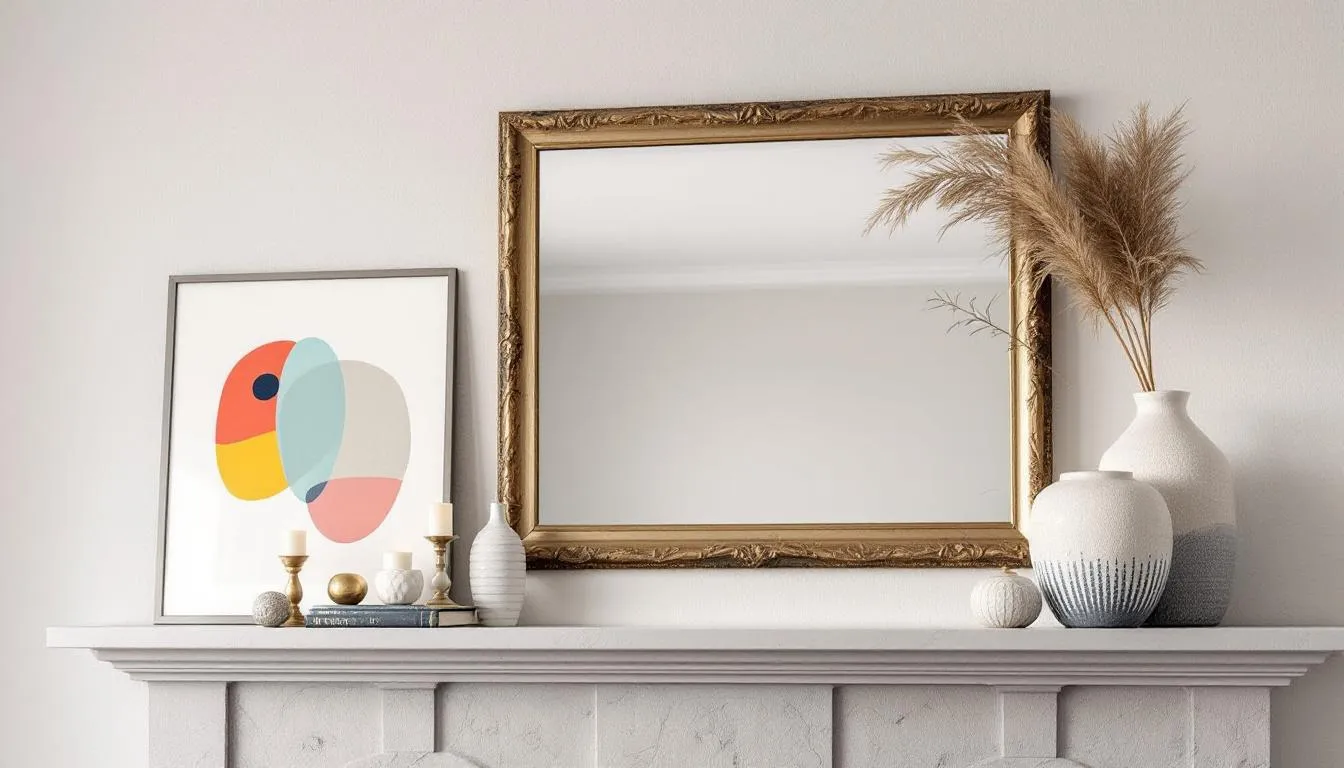
Decorating your fireplace mantel can significantly enhance the room’s overall aesthetic appeal. Combining elements like mirrors, artwork, and vases creates a striking visual impact. Layering different textures and heights adds depth and visual interest.
This guide offers tips on decorating the mantel to enhance its visual appeal and create a captivating central feature in your living room that you will enjoy. The message is clear: thoughtful decoration can transform your area. Seasonal items like garlands and themed decorations allow for easy updates to your mantel decor throughout the year. Incorporating elements like dried branches and pumpkins creates a vibrant autumn display.
Everyday Elegance
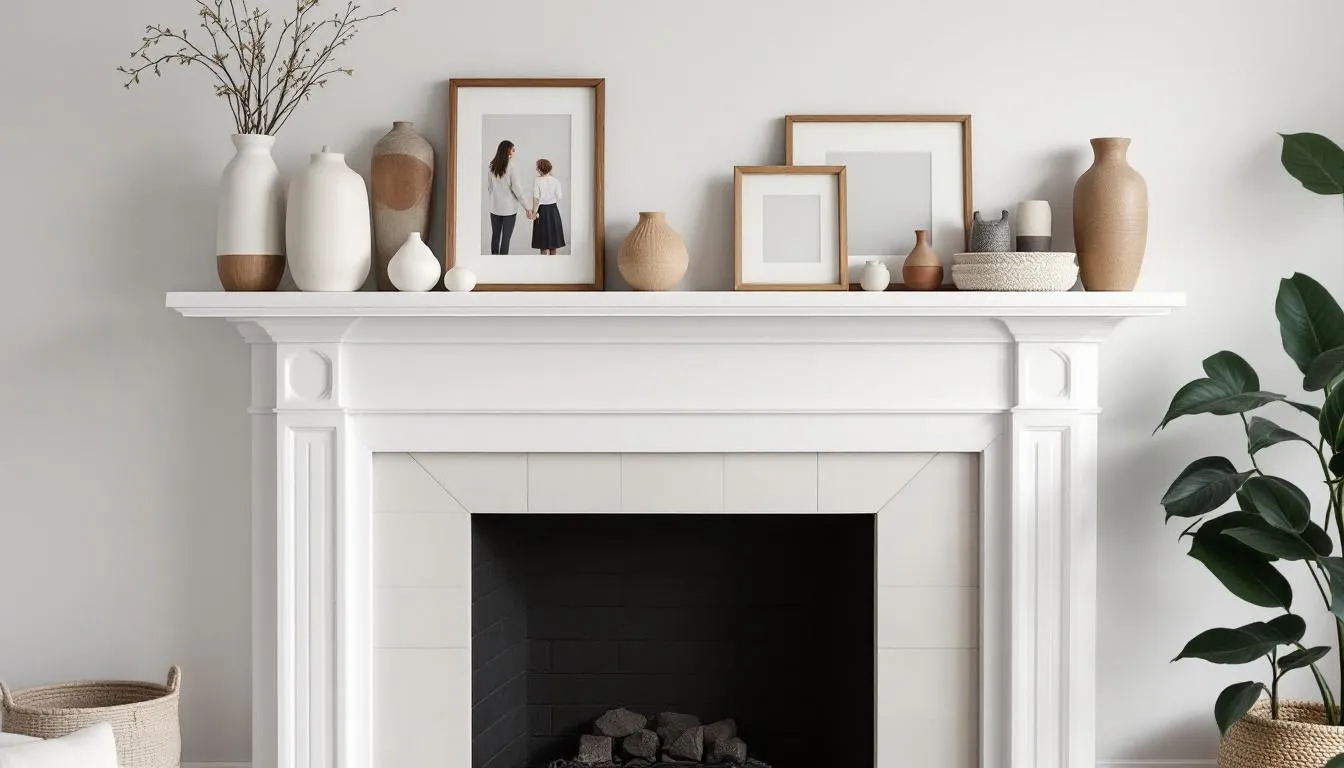
Incorporating personal items like family photos into your deep white mantel decor makes a unique and cozy touch over time. Neutral-toned decor things offer year-round elegance, requiring only minor adjustments for seasonal shopping changes, which can sometimes be difficult and transitional.
Using a mix of heights in your decor, such as combining tall vases with shorter items, adds visual interest to your fireplace mantel. These simple yet elegant touches transform your mantel into a beautiful point, showcasing a variety of design elements. Mounting a television above the fireplace mantel creates a streamlined look and saves area, while ensuring that no space is left unused. Ensure it is at a comfortable viewing height to avoid neck strain. Use cord concealment systems or wireless technology to minimize visual clutter. Choose accessories that harmonize with both the technology and your mantel decor for a cohesive look.
Maintaining Your Fireplace Mantel
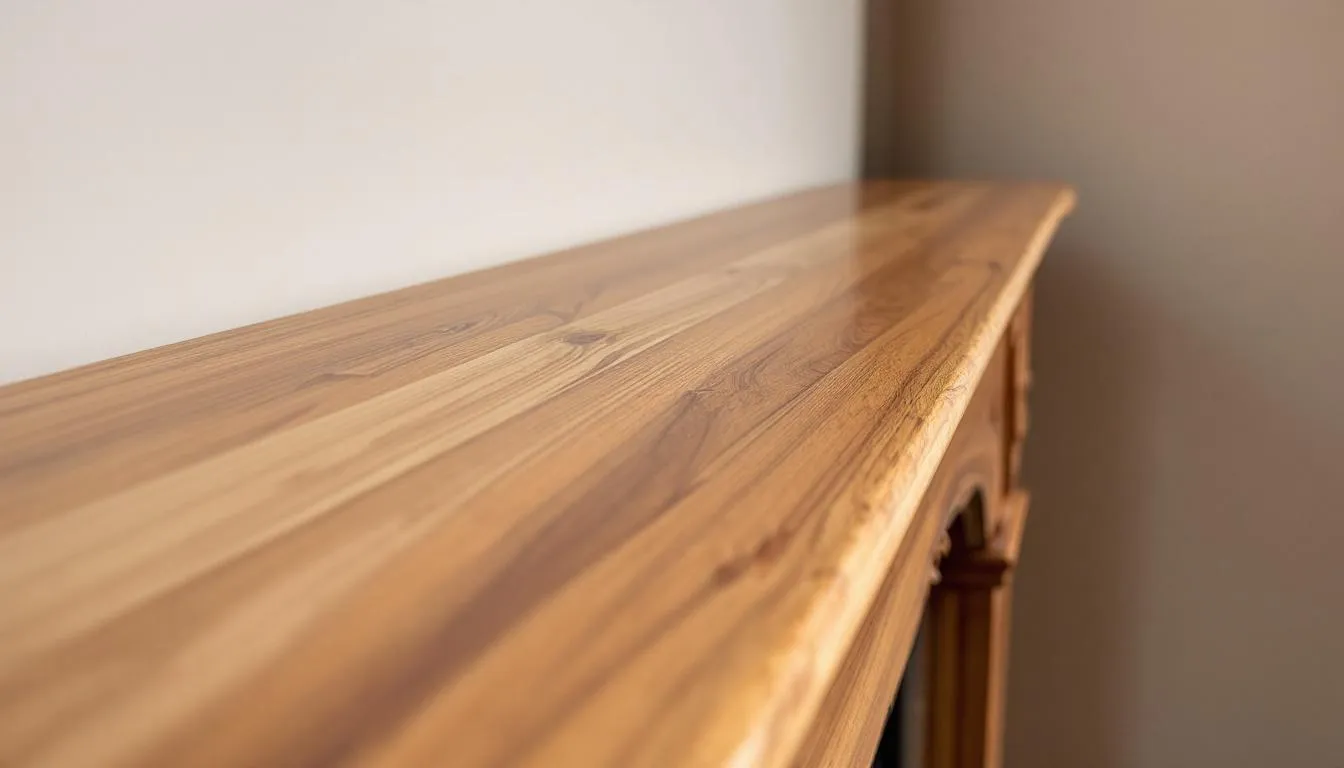
Maintaining your fireplace mantel is crucial for preserving its beauty and functionality over the years. Regularly clean and dust it to prevent the buildup of dirt and grime, which can damage the surface. Repair minor damage like scratches and chips promptly to maintain the mantel’s appearance and prevent further deterioration. For long-term care, consider resealing wood mantels and regularly checking their structural integrity.
Determining whether your mantel is sealed is crucial for selecting the right cleaning method. Non-abrasive cleaning agents on unsealed mantels help maintain their surface without causing scratches. Common damage like scratches can often be minimized using wood polish or filler. Small scratches on wooden mantels can be concealed with these products.
Repairing Minor Damage
Common repairs for mantels may include filling in scratches or chips with a matching wood filler. Filling cracks or chips in a fireplace mantel with suitable repair caulk helps restore its surface integrity.
Summary
Fireplace mantels are more than just decorative elements; they are the heart of your living room, bringing warmth and character. From traditional elegance, modern minimalism, to rustic charm, there is a mantel to suit every style and preference. Choosing the right mantel involves considering your home’s aesthetic, ensuring proper size and proportion, and selecting the right materials for durability and maintenance.
Whether you’re installing a new mantel, decorating it with seasonal or everyday elegance, or integrating technology, each step contributes to transforming your living room into a visually appealing and functional area. Regular maintenance, including cleaning, repairing minor damage, and long-term care practices like resealing, ensures your fireplace mantel remains a stunning focal point for years to come.
Now Get Free Consultation
Frequently Asked Questions
How do I choose the right fireplace mantel for my living room?
Choosing the right fireplace mantel involves selecting a style that complements your home’s aesthetic, including color schemes and decor. Additionally, ensure the mantel’s size is proportionate to the fireplace and wall for a harmonious appearance.
What materials are best for fireplace mantels?
The best materials for fireplace mantels are wood, stone, and brick. Wood offers customization, stone ensures durability, and brick presents a classic aesthetic.
How do I securely attach a fireplace mantel?
To securely mount a fireplace mantel, first locate the wall studs using a stud finder and use cleats for added support; for masonry walls, use masonry anchors along with a hammer drill to ensure a firm installation .
How can I decorate my fireplace mantel year-round?
To maintain elegance on your fireplace mantel year-round, incorporate personal items like family photos and neutral-toned decor, while varying the heights of these pieces. Seasonal adjustments, using garlands, flowers, or candles, can help refresh the look.
What is the best way to maintain a wood fireplace mantel?
To maintain a wood fireplace mantel, regularly clean and dust it, promptly repair any minor damage, and reseal the wood every few years to protect it from moisture and wear. This ensures its longevity and keeps it looking its best.